10 Things Beginners Should Know Before Learning Kitesurf
Kitesurfing is one of the most exciting water sports in the world. The feeling of being powered by the wind while gliding across the water is unforgettable. But if you're thinking about taking your first kitesurf lessons, you probably have a lot of questions. The good news is that learning kitesurf is more accessible than most people think — especially in places with consistent wind like Jericoacoara and the coast of Ceará in Brazil. Before starting your first lesson, here are 10 important things every beginner should know about learning kitesurf.
3/6/20263 min read
1. You Don’t Need to Be Extremely Fit
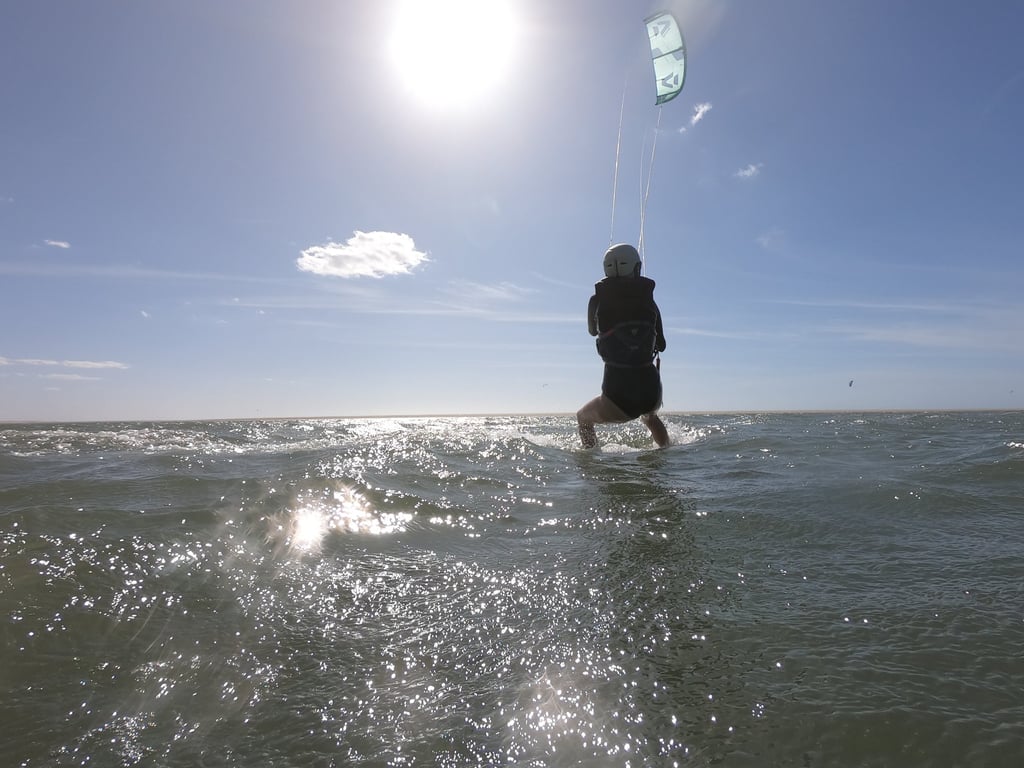
Many people believe kitesurfing requires a lot of strength. In reality, kitesurfing is more about technique and balance than physical power.
The kite generates the pull, not your muscles. As long as you have basic coordination and feel comfortable in the water, you can learn.
People of many different ages and fitness levels successfully learn kitesurf every year.
2. The Wind Does the Work
One of the biggest surprises for beginners is realizing that the wind provides the power.
Instead of pulling the kite with your arms, you learn how to control it using the bar and harness. Once you understand how to use the wind efficiently, the sport becomes much easier.
Good instruction is essential because learning proper kite control from the beginning makes a huge difference in your progression.
3. Most People Learn Faster Than They Expect
Many beginners imagine it will take weeks to ride their first meters on the board.
In reality, most students start riding short distances after 6 to 12 hours of lessons when conditions are good.
Learning speed depends on several factors:
Wind consistency
Quality of instruction
Personal coordination
Previous board sport experience
Places with reliable wind, like Ceará in Brazil, usually allow faster progression because you can practice almost every day.
4. You Don’t Need Previous Board Sports Experience
While experience in sports like surfing, wakeboarding, or snowboarding can help with balance, it is not required to learn kitesurfing.
Beginner courses start from zero and cover everything step by step:
Wind theory
Safety systems
Kite control
Body dragging in the water
Board start technique
Even complete beginners with no background in water sports can learn successfully.
5. Safety Is a Big Part of Learning
Modern kitesurf equipment is designed with multiple safety systems. Professional schools teach safety procedures from the very first lesson.
Students learn how to:
Control the kite safely
Relaunch the kite from the water
Use the quick release system
Manage unexpected situations
Learning with a certified instructor and proper equipment makes the sport much safer and more controlled.
6. Consistent Wind Makes Learning Much Easier
Wind conditions are one of the most important factors when learning kitesurf.
In locations where the wind is inconsistent, students may have to wait days between lessons. This slows down the learning process.
That’s why destinations like Jericoacoara and the Ceará coast are so popular. The region offers steady trade winds for many months of the year, allowing beginners to progress quickly.
7. Warm Water Makes the Experience More Comfortable
Learning kitesurf in cold water can be challenging. Thick wetsuits restrict movement and reduce comfort.
In northeastern Brazil, water temperatures usually stay between 26°C and 29°C, which means you can ride comfortably without a wetsuit.
This makes long practice sessions much more enjoyable for beginners.
8. Progress Happens Step by Step
Learning kitesurf is a process with several stages. Each step builds confidence and control before moving to the next one.
A typical beginner progression looks like this:
Learning wind theory and safety
Flying the kite on the beach
Body dragging in the water
Practicing board starts
Riding short distances
Learning to ride upwind
With consistent practice and good conditions, this progression can happen surprisingly fast.
9. Private Lessons Can Accelerate Learning
Many schools offer both private and semi-private lessons.
Private lessons usually allow faster progression because:
The instructor focuses entirely on one student
You get more direct feedback
You spend more time practicing
Semi-private lessons are also a good option for couples or friends who want to learn together.
10. The First Successful Ride Is an Amazing Moment
One of the most rewarding moments in kitesurfing is the first time you successfully ride across the water.
After learning to control the kite and practicing your board start, everything suddenly connects — and you feel the power of the wind lifting you onto the board.
It’s a moment most riders remember forever.
Final Thoughts
Kitesurfing may look complex at first, but with the right instruction and good wind conditions, it’s a sport that many people can learn faster than they expect.
Locations like Jericoacoara and the coast of Ceará offer ideal conditions for beginners thanks to consistent wind, warm water, and large sandy beaches.
If you're thinking about learning kitesurf, the most important step is simply starting.
Once you feel the power of the wind for the first time, you'll understand why so many people fall in love with this sport.